

 0800 170 1260 | 0161 877 1260
  MENU
MENU


 There’s a difference between having too much stuff and having too much stuff in the wrong place. The winter coats you won’t wear until November, the Christmas tree wedged behind the vacuum cleaner, the dining table you inherited but can’t quite fit anywhere—these things all have a reason to stay. They just don’t necessarily need to stay at home.
A storage unit can help you make room without forcing you to part with belongings you still use or care about. If you’re thinking about freeing up some space with MCR Storage, these seven categories are a useful place to start.
1. Seasonal Clothing
Open your wardrobe in July, and you may find yourself pushing past winter coats to reach a T-shirt. Bulky clothes take up a surprising amount of room, especially when several people share the same storage space.
Putting away clothes you won’t need for the next few months makes getting dressed—and putting the washing away—a little easier.
Before packing, wash everything and let it dry thoroughly. Clear storage boxes are handy because you can see what’s inside, though a simple label works just as well. Group things in a way that makes sense to you: coats in one box, knitwear in another, boots together.
Keep a few layers at home for unpredictable weather. When the seasons change, swap the boxes over.
 2. Holiday Decorations
Christmas decorations earn their place every December. For the rest of the year, they mostly get in the way.
Artificial trees, wreaths and boxes of ornaments can fill a cupboard before you’ve found room for anything else. Moving them into storage is particularly useful if you’re constantly shifting them to reach tools or household supplies.
Pack decorations by occasion and label each box clearly. Wrap fragile ornaments individually, and wind strings of lights around a piece of cardboard to save yourself a frustrating untangling session next year.
Put anything you’ll need first somewhere easy to reach. You don’t want to empty half the unit just to find the tree stand.
3. Bulky Sports Equipment
Some equipment gets used every week. Other pieces only come out for a summer holiday or an occasional weekend away.
If your camping gear, skis or golf clubs spend most of their time occupying a spare room, storage could be a better home for them between trips. Keep regularly used equipment close by and move the less frequent items.
Clean everything before packing it away, paying particular attention to tents and other gear that may still be damp. Follow the manufacturer’s storage advice for specialist equipment, and measure larger items before choosing a unit.
Leave enough room to retrieve things easily. A last-minute camping trip is much less appealing when getting the tent involves an hour of moving boxes.
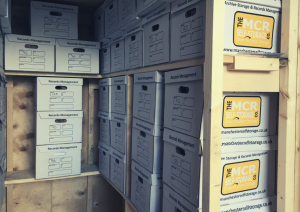 4. Archived Paperwork
Old paperwork has a habit of spreading. One folder becomes a drawer, then a filing cabinet, and eventually the home office starts to feel like an archive.
Start by sorting out what you actually need to keep. Retention requirements vary by document, so check the relevant guidance before discarding anything. Keep records you use regularly—and important originals you may need urgently—somewhere accessible.
For the rest, use labelled archive boxes and make a simple list of their contents. That way, you can locate a particular year or file without opening every box.
If the documents contain sensitive information, consider both security and storage conditions when deciding where to keep them.
5. Sentimental Furniture
An inherited table or a much-loved armchair can be difficult to part with, even when there’s no obvious place for it in your current home.
Storage gives you time to decide what comes next. Perhaps you’re moving, planning to restore a piece or keeping it for someone in the family.
Clean furniture before storing it and take apart larger pieces where practical. Put screws and fittings in a labelled bag so they don’t disappear. Protective covers can help prevent dust and scratches, but choose materials suited to the furniture and avoid trapping moisture.
 6. Hobby Supplies
Hobbies rarely stay neatly contained. A few paints become several boxes; a sewing kit grows into shelves of fabric.
You don’t have to pack away the things you’re currently enjoying. Instead, keep a working selection at home and use storage for spare materials, larger equipment and projects you’ve put on hold.
Sort small supplies into labelled containers and keep a quick inventory, particularly if you tend to buy replacements because you can’t find what you already own.
Make sure you follow MCR Storage’s rules before storing paints, adhesives, solvents or other chemicals. Some materials may be prohibited or require particular conditions.
7. Small Business Inventory
When you run a business from home, stock can gradually take over the house. Suddenly, the spare bedroom is a stockroom and the dining table is a packing station.
A storage unit may help you manage that overflow. Shelving and clearly labelled boxes make it easier to find products, track quantities and collect what you need for upcoming orders.
Before booking, take the time to speak to our friendly customer service team at MCR Storage about how you intend to use the space. The team has a wealth of self-storage experience, and it makes sense to draw on that knowledge. After all, the right setup is unique to each customer and depends on how your business operates.
It’s always a good idea to keep your fastest-selling products within easy reach and leave a clear walkway, so collecting stock stays straightforward.
 Make Room for Everyday Life
Start with the cupboard you struggle to close or the spare room you’d like to use again. You don’t need to reorganise the whole house in one weekend.
Choose belongings you want to keep but rarely need, pack them carefully, and work out how much storage space they’ll require. MCR Storage could help you give those items a place while making your home easier to live in.
You can contact our customer service team by phone on 0161 877 1260 or by email at info@manchesterselfstorage.co.uk.